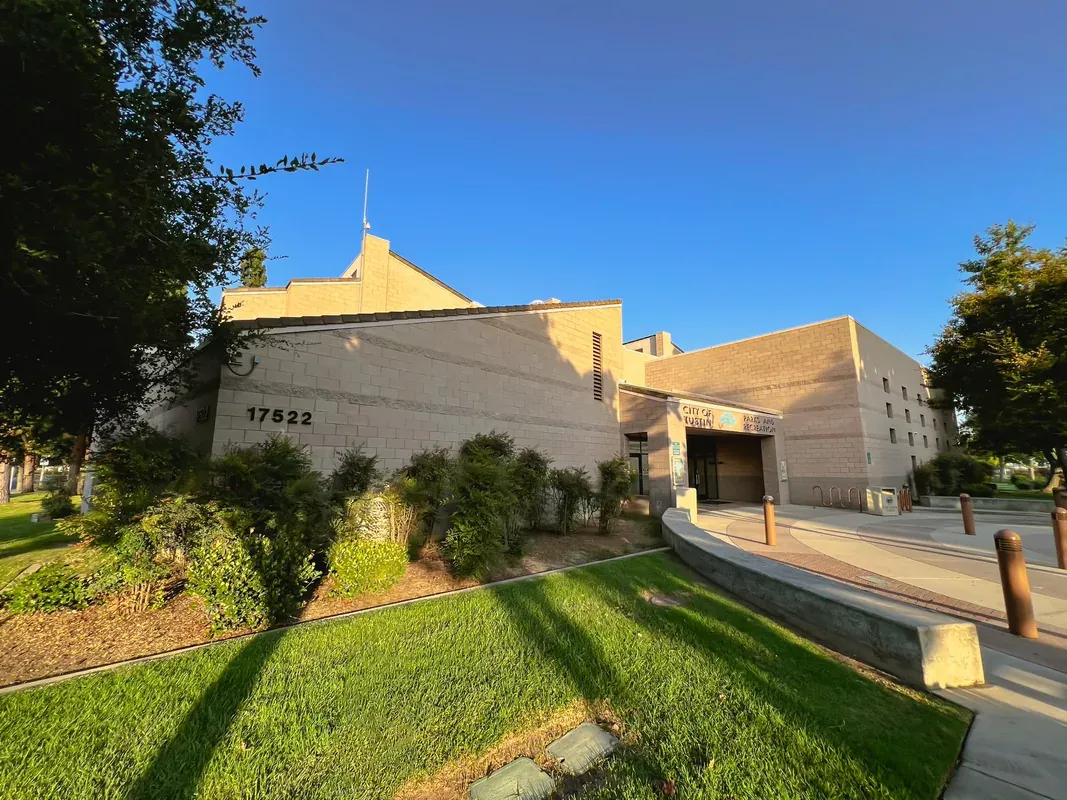
Institutional Architecture | Facilities That Serve Your Mission
Educational facilities, religious buildings, and training centers designed to support your organization's mission. Serving Santa Rosa, Petaluma, Sonoma, and Napa.
The Challenge of Creating Effective Learning Environments
Designing flexible spaces that accommodate diverse training methods from lectures to hands-on workshops
Integrating technology seamlessly while maintaining focus on human interaction and learning
Creating environments that enhance concentration, collaboration, and knowledge retention
Balancing specialized training equipment needs with multi-purpose functionality and future adaptability
We understand that learning spaces directly impact educational outcomes. Whether training employees, teaching vocational skills, or hosting professional development, the physical environment matters. Poor acoustics, inadequate technology, or inflexible layouts can undermine even the best curriculum. We design spaces that support effective teaching and engaged learning.
How Entero Architects Creates Training Centers That Enhance Learning
We've designed educational and training facilities for corporations, non-profits, and vocational programs across Sonoma County. Our approach combines evidence-based design principles with practical understanding of how people learn, creating environments that are flexible, technology-enabled, and conducive to knowledge transfer.
Learning-Centered Design
We apply research on learning environments to create spaces that enhance focus, facilitate collaboration, and support diverse teaching methods. From acoustics to lighting to furniture flexibility, every detail serves learning outcomes.
Technology Integration
Seamless integration of audio-visual systems, video conferencing, interactive displays, and network infrastructure. Technology enhances learning without dominating the space or creating distractions.
Flexible & Future-Ready
Training needs evolve. We design adaptable spaces with movable partitions, flexible furniture, and infrastructure that accommodates changing technology and teaching methods. Your investment serves you for decades.
Our Institutional Design Process
From Vision to Reality: A Clear, Collaborative Journey
Initial Site Visit
Every project begins with an on-site visit where Entero Architects listens to your vision, gathers key information, and assesses your project's unique needs to set clear goals and expectations.
Fee Proposal
Once Entero Architects completes the initial site visit, we will send you a fee proposal of the cost to draw the plans for your project.
Programming and Pre-Design
Creating a clear vision is one of the most important steps in any building project, and it begins with programming and pre-design. During this phase, Entero works with you to develop a "basis of design" document that captures your goals and serves as a foundation for all future decisions.
Schematic Design & Design Development
Entero starts by documenting existing conditions—whether raw land or an industrial building slated for adaptive reuse—to establish a clear starting point. From there, we develop and refine conceptual designs, assess structural, mechanical, and electrical systems, and leverage our team of consultants to address any project challenges.
Construction Documents
This technical phase is where Entero Architects transforms the final design into detailed Construction Documents—technical drawings reviewed by local building officials for code compliance and used by your contractor to guide the building process.
Permit Submittal and Plan Check
This phase involves submitting the final construction documents to the local building department for plan check review. Your plans will go through a comprehensive review process by several departments, including Planning, Building, Fire Life Safety, Mechanical, Electrical, Plumbing, and Public Works. It's important to note that some back-and-forth communication is normal during this phase. Entero Architects will coordinate directly with building department officials to respond to any comments or required revisions, working diligently to keep the process on track.
Permit Issuance, Bidding and Construction
Once your permit review is complete, you'll receive your building permit and official job card—an exciting milestone! From here, most homeowners begin the search for a builder (unless you've chosen a design-build approach from the start). We will be right there with you, guiding you through the bidding process and helping you choose the contractor that's the best fit for your project. Once you've made your choice... it's time to kick things off—let the demolition begin!
Construction Administration & Inspections
As your project moves forward, the building department will conduct inspections at key stages to make sure everything is being built safely and up to code. These checkpoints include (but aren't limited to): trenching, rebar, foundation concrete, framing, mechanical, electrical, plumbing, exterior sheathing, stucco layers, insulation, drywall, and finishing work—just to name a few! Throughout construction, Entero will work closely with both you and your builder to help answer questions, solve problems, and keep things on track. We're with you every step of the way, providing construction administration services to support a smooth and successful build.
Final Inspection and Job Close Out
As your project nears completion and you're getting ready to move in, we'll work closely with you and your builder to wrap things up. This includes completing the final punch list inspections, collecting warranty information, issuing final certificates for payment, gathering release of liens, and helping to officially close out your project. Once the final walk-through is complete—congratulations, you're done! But our support doesn't stop there. Entero is still here for you with post-occupancy services, if you need them. Our relationship doesn't end when you move in—we're with you for the long haul, whenever you need us.
Our Institutional Portfolio in Sonoma County
Explore our completed projects showcasing innovative design and exceptional craftsmanship
What's Included in Our Institutional Services
Comprehensive architectural services tailored to your specific needs
Corporate Training Centers
Professional development facilities for employee training, leadership programs, and continuing education. We design spaces that reflect your corporate culture while providing effective learning environments.
Includes:
- Training needs assessment and programming
- Flexible classroom and seminar room design
- Breakout spaces for group work
- Audio-visual and video conferencing systems
- Comfortable break and networking areas
- Corporate branding integration
- Technology infrastructure and IT coordination
- Sustainable design and energy efficiency
Vocational & Technical Schools
Specialized facilities for hands-on skills training. We design labs, workshops, and classrooms that accommodate equipment, tools, and teaching methods specific to trades and technical programs.
Includes:
- Specialized lab and workshop design
- Equipment planning and utility requirements
- Safety and ventilation systems
- Tool storage and material handling
- Demonstration areas with good sightlines
- Classroom spaces for theory instruction
- ADA accessibility throughout
- Durable, maintainable finishes
Conference & Meeting Facilities
Professional meeting spaces for conferences, seminars, and workshops. Flexible designs accommodate various group sizes and meeting formats, from large presentations to small breakout sessions.
Includes:
- Flexible room configurations with movable partitions
- Tiered or flat floor options
- Professional AV systems and lighting control
- High-quality acoustics
- Registration and pre-function areas
- Catering and food service support
- Accessible presentation areas
- Professional finishes and branding opportunities
Learning Commons & Collaboration Spaces
Informal learning environments that support collaboration, self-directed study, and peer learning. These spaces complement formal classrooms with flexible, technology-rich areas.
Includes:
- Variety of seating and work settings
- Technology integration (charging, displays, WiFi)
- Acoustic zoning for different activities
- Natural light and views
- Writable surfaces and display areas
- Comfortable, durable furniture
- Connection to outdoor learning spaces
- Flexible layouts for changing needs
Frequently Asked Questions About Institutional in Sonoma County
Get answers to common questions about our services
How much does training center architecture cost in Sonoma County?
How long does it take to design a training facility?
How do you integrate technology in learning spaces?
Can training spaces serve multiple purposes?
How do you design for different learning styles?
What about acoustics in training spaces?
Do you design sustainable training facilities?
Can you work with our existing building?
Start Your Institutional Project Today
Free consultation. No obligation. Let's discuss your vision.
- Complimentary initial consultation and site evaluation
- Transparent pricing and timeline estimates
- Local expertise in Sonoma County building requirements
- Portfolio of successful institutional projects
Contact Information
Service Area: Proudly serving Sonoma County including Santa Rosa, Petaluma, Healdsburg, Sebastopol, Rohnert Park, Windsor, Cloverdale, and surrounding Wine Country communities.