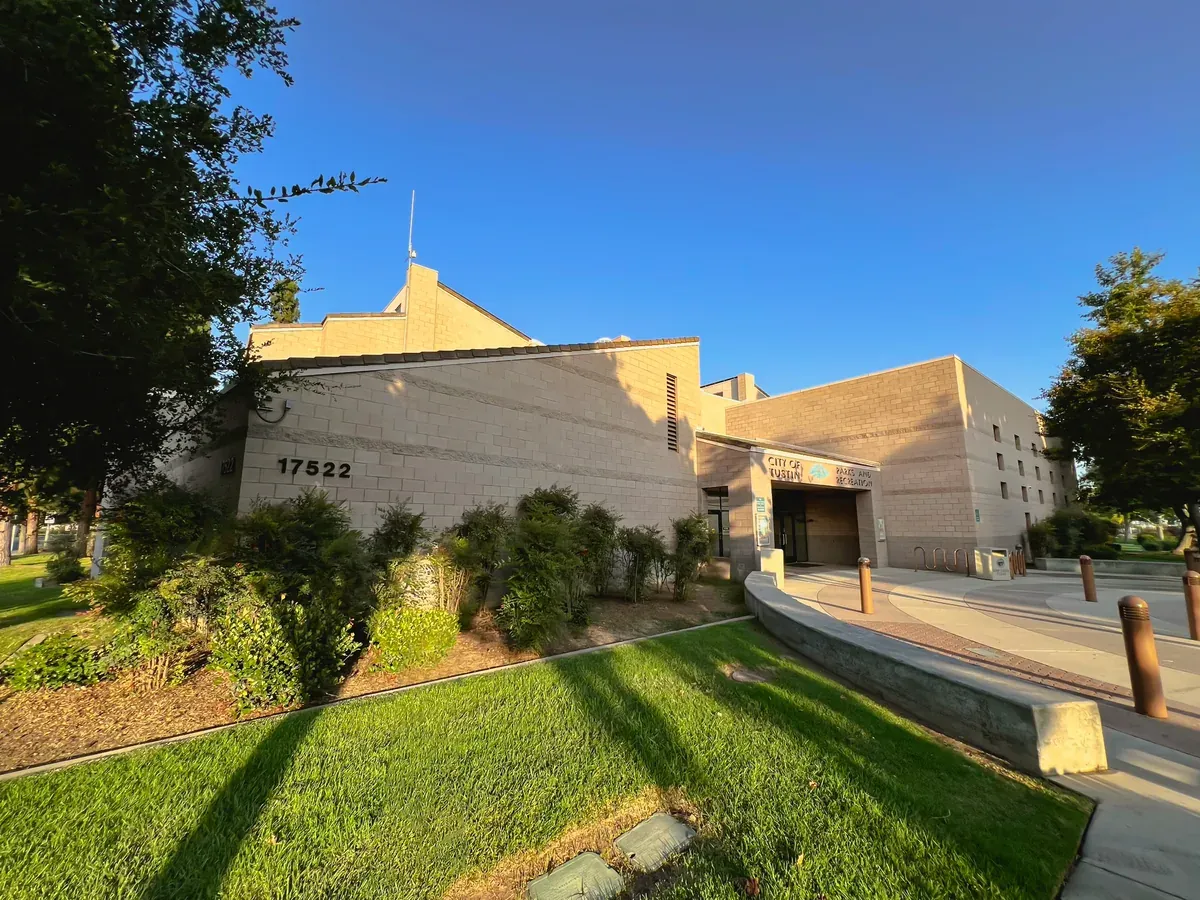
Adaptive Reuse Architecture | Transform Existing Buildings Into Your Vision
Expert building conversion architecture for gyms, churches, schools, restaurants, and commercial spaces. Navigating permits, codes, and budgets so you can focus on your business.
The Challenge of Converting an Existing Building to a New Use
Discovering hidden costs and code requirements AFTER you've already purchased the building
Navigating California's complex change-of-occupancy rules, seismic retrofit mandates, and ADA upgrades
Coordinating with multiple agencies — building department, fire marshal, health department, planning — each with different requirements
Managing the dual-payment pressure of carrying a mortgage on the new building while still paying rent on your current space
We understand the excitement of finding the perfect building for your business — and the anxiety of not knowing what it will really take to make it work. Change-of-occupancy projects involve layers of code requirements that most business owners have never encountered. The gap between "what I thought this would cost" and "what it actually costs" can be devastating if you don't have the right team evaluating the building before you commit. That's exactly where we come in.
How Entero Architects Turns Existing Buildings Into Spaces That Work
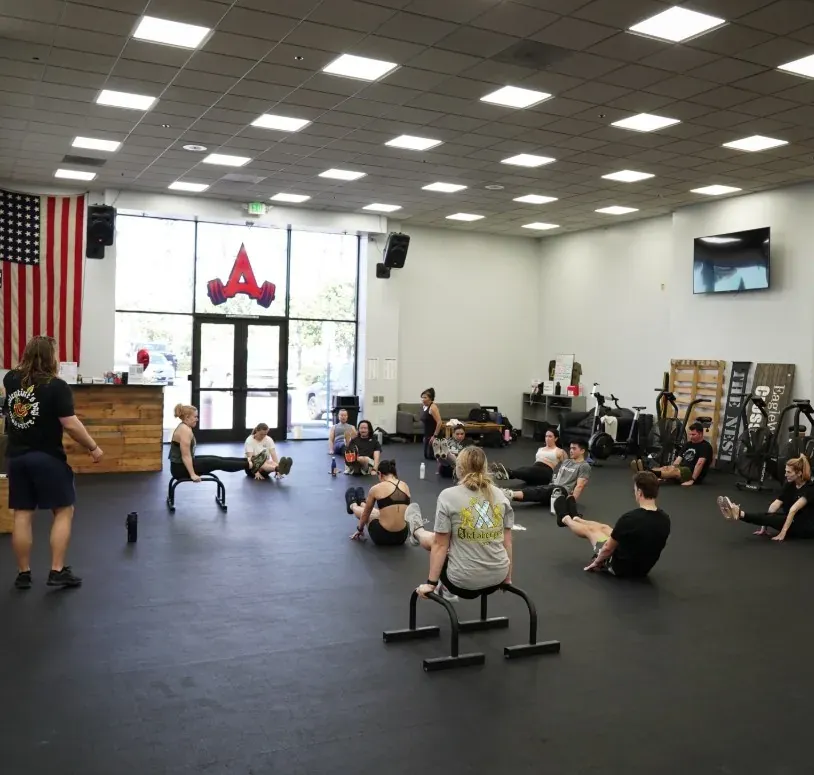
We've helped business owners, churches, schools, and organizations across Sonoma County and the Bay Area transform warehouses, retail spaces, and commercial buildings into purpose-built facilities. Our approach starts before you close on the building — with a feasibility assessment that tells you exactly what to expect — and carries through permitting, design, and construction oversight.
Pre-Purchase Feasibility
We evaluate your target building BEFORE you commit — identifying change-of-occupancy triggers, seismic requirements, ADA upgrades, and realistic budgets so you can negotiate the purchase price or walk away with confidence.
Code & Permit Navigation
Change-of-occupancy projects trigger cascading code requirements that general contractors miss. We know exactly what each Sonoma County jurisdiction requires and manage the entire approval process.
Budget-Conscious Design
We find creative solutions within existing structures rather than demanding blank checks. Our designs maximize what the building already gives you while addressing code requirements efficiently.
Our Adaptive Reuse Design Process
From Vision to Reality: A Clear, Collaborative Journey
Initial Site Visit
Every project begins with an on-site visit where Entero Architects listens to your vision, gathers key information, and assesses your project's unique needs to set clear goals and expectations.
Fee Proposal
Once Entero Architects completes the initial site visit, we will send you a fee proposal of the cost to draw the plans for your project.
Programming and Pre-Design
Creating a clear vision is one of the most important steps in any building project, and it begins with programming and pre-design. During this phase, Entero works with you to develop a "basis of design" document that captures your goals and serves as a foundation for all future decisions.
Schematic Design & Design Development
Entero starts by documenting existing conditions—whether raw land or an industrial building slated for adaptive reuse—to establish a clear starting point. From there, we develop and refine conceptual designs, assess structural, mechanical, and electrical systems, and leverage our team of consultants to address any project challenges.
Construction Documents
This technical phase is where Entero Architects transforms the final design into detailed Construction Documents—technical drawings reviewed by local building officials for code compliance and used by your contractor to guide the building process.
Permit Submittal and Plan Check
This phase involves submitting the final construction documents to the local building department for plan check review. Your plans will go through a comprehensive review process by several departments, including Planning, Building, Fire Life Safety, Mechanical, Electrical, Plumbing, and Public Works. It's important to note that some back-and-forth communication is normal during this phase. Entero Architects will coordinate directly with building department officials to respond to any comments or required revisions, working diligently to keep the process on track.
Permit Issuance, Bidding and Construction
Once your permit review is complete, you'll receive your building permit and official job card—an exciting milestone! From here, most homeowners begin the search for a builder (unless you've chosen a design-build approach from the start). We will be right there with you, guiding you through the bidding process and helping you choose the contractor that's the best fit for your project. Once you've made your choice... it's time to kick things off—let the demolition begin!
Construction Administration & Inspections
As your project moves forward, the building department will conduct inspections at key stages to make sure everything is being built safely and up to code. These checkpoints include (but aren't limited to): trenching, rebar, foundation concrete, framing, mechanical, electrical, plumbing, exterior sheathing, stucco layers, insulation, drywall, and finishing work—just to name a few! Throughout construction, Entero will work closely with both you and your builder to help answer questions, solve problems, and keep things on track. We're with you every step of the way, providing construction administration services to support a smooth and successful build.
Final Inspection and Job Close Out
As your project nears completion and you're getting ready to move in, we'll work closely with you and your builder to wrap things up. This includes completing the final punch list inspections, collecting warranty information, issuing final certificates for payment, gathering release of liens, and helping to officially close out your project. Once the final walk-through is complete—congratulations, you're done! But our support doesn't stop there. Entero is still here for you with post-occupancy services, if you need them. Our relationship doesn't end when you move in—we're with you for the long haul, whenever you need us.
Our Adaptive Reuse Portfolio in Sonoma County
Explore our completed projects showcasing innovative design and exceptional craftsmanship
What's Included in Our Adaptive Reuse Services
Comprehensive architectural services tailored to your specific needs
Pre-Purchase Building Assessment
The single most valuable service for anyone considering a commercial building purchase. We evaluate the building's suitability for your intended use, identify code-triggered upgrades, and provide a realistic cost estimate — BEFORE you sign the purchase agreement.
Includes:
- On-site building evaluation and documentation
- Zoning and land use verification for your intended occupancy
- Change-of-occupancy code analysis (building, fire, ADA, seismic)
- Preliminary cost estimate for required upgrades and buildout
- Risk assessment and deal-breaker identification
- Written feasibility report with go/no-go recommendation
- Timeline estimate from purchase to occupancy
- Recommendations for purchase agreement negotiation leverage
Warehouse & Industrial Conversions
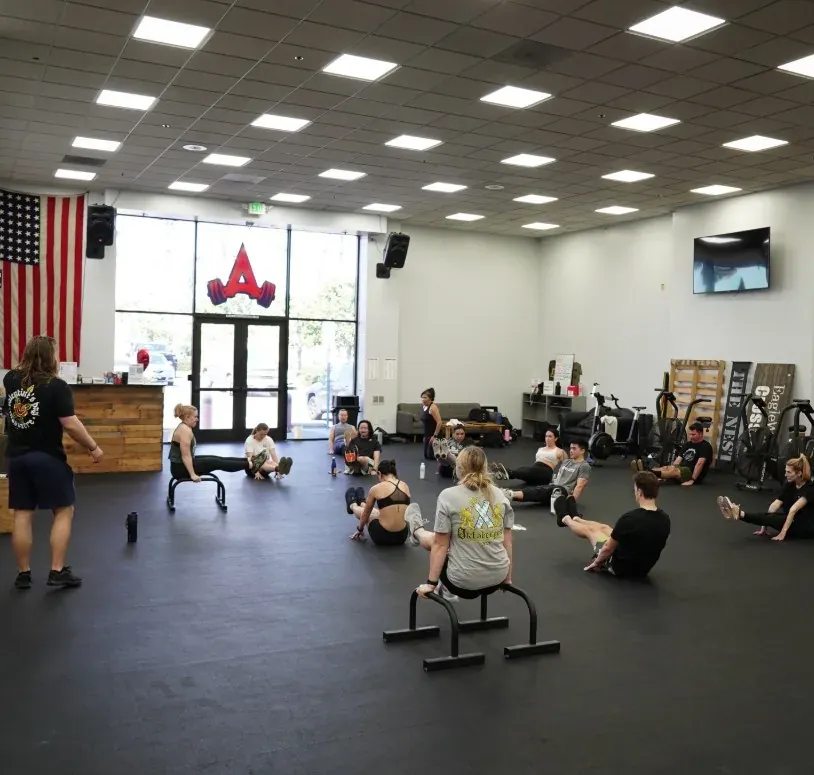
Transform warehouse, industrial, and manufacturing spaces into gyms, fitness facilities, churches, schools, breweries, maker spaces, and more. We specialize in unlocking the potential of large open-floor-plan buildings.
Includes:
- Structural assessment and load analysis
- Open floor plan optimization for your use
- Mezzanine and second-level feasibility
- HVAC, plumbing, and electrical system upgrades
- Fire suppression and life safety compliance
- Natural lighting and ventilation strategies
- Restroom and ADA accessibility additions
- Parking and site circulation improvements
Retail & Office Conversions
Convert retail storefronts, office buildings, and strip mall spaces into new uses — restaurants, medical offices, childcare centers, schools, and specialty businesses. We navigate the code complexities of changing how a commercial space is classified.
Includes:
- Change-of-occupancy permit documentation
- Interior demolition and reconstruction planning
- Code-required separation and fire rating upgrades
- Health department coordination (food service, medical, childcare)
- Accessibility path-of-travel improvements
- Signage and storefront modifications
- Utility and mechanical system adaptations
- Phased construction planning to minimize downtime
Seismic & Code Compliance Upgrades
When changing a building's occupancy type, California often requires seismic retrofits, ADA path-of-travel upgrades, and fire/life safety improvements. We design these required upgrades to be as cost-effective as possible while meeting all code requirements.
Includes:
- Seismic evaluation and retrofit design coordination
- ADA accessibility audit and compliance design
- Fire and life safety system upgrades
- Structural engineering coordination
- Energy code compliance (Title 24) documentation
- Hazardous materials assessment coordination (asbestos, lead)
- Plan check response and building department liaison
- Construction administration for code-required work
Frequently Asked Questions About Adaptive Reuse in Sonoma County
Get answers to common questions about our services
How much does it cost to convert a commercial building to a new use?
What is a change-of-occupancy and why does it matter?
Do I need an architect for a commercial building conversion?
How long does an adaptive reuse project take from start to finish?
Can you help me evaluate a building BEFORE I buy it?
What types of buildings have you converted?
What's the difference between adaptive reuse and a tenant improvement?
How do you handle seismic retrofit requirements?
Start Your Adaptive Reuse Project Today
Free consultation. No obligation. Let's discuss your vision.
- Complimentary initial consultation and site evaluation
- Transparent pricing and timeline estimates
- Local expertise in Sonoma County building requirements
- Portfolio of successful adaptive reuse projects
Contact Information
Service Area: Proudly serving Sonoma County including Santa Rosa, Petaluma, Healdsburg, Sebastopol, Rohnert Park, Windsor, Cloverdale, and surrounding Wine Country communities.